The Aotearoa Chronicles: Making a New Zealand Storybook a Treasured Family Keepsake
A keepsake that a child truly values is often an item they can use. A gift might capture interest as soon as the wrapping comes off, yet a storybook provides a fresh invitation whenever someone opens its pages. The characters become familiar, some pages invite readers to return repeatedly, and the reading experience slowly becomes associated with whoever originally shared the story.
For families considering The Aotearoa Chronicles, that connection offers a useful starting point. Instead of selecting a book solely for its association with New Zealand, reflect on the reading experiences the book could create. An Aotearoa-inspired animal adventure could find a place in a family’s evening reading routine, a lasting reminder of travelling together or a thoughtful introduction to somewhere a child has never been.
The most meaningful choice depends on the reader. What they enjoy, how they respond to stories and whether there are chances to read together are more important than the assumption that a particular title will appeal equally to all readers.
Consider the child’s preferences first, followed by the destination
A destination-related connection may make a gift feel more thoughtful, although it is rarely enough to sustain the experience by itself. Children often choose to read the same book again when its contents continue to engage them. It may be a character from the animal world, an adventure leading towards an interesting destination or the pleasure of discovering what happens next.
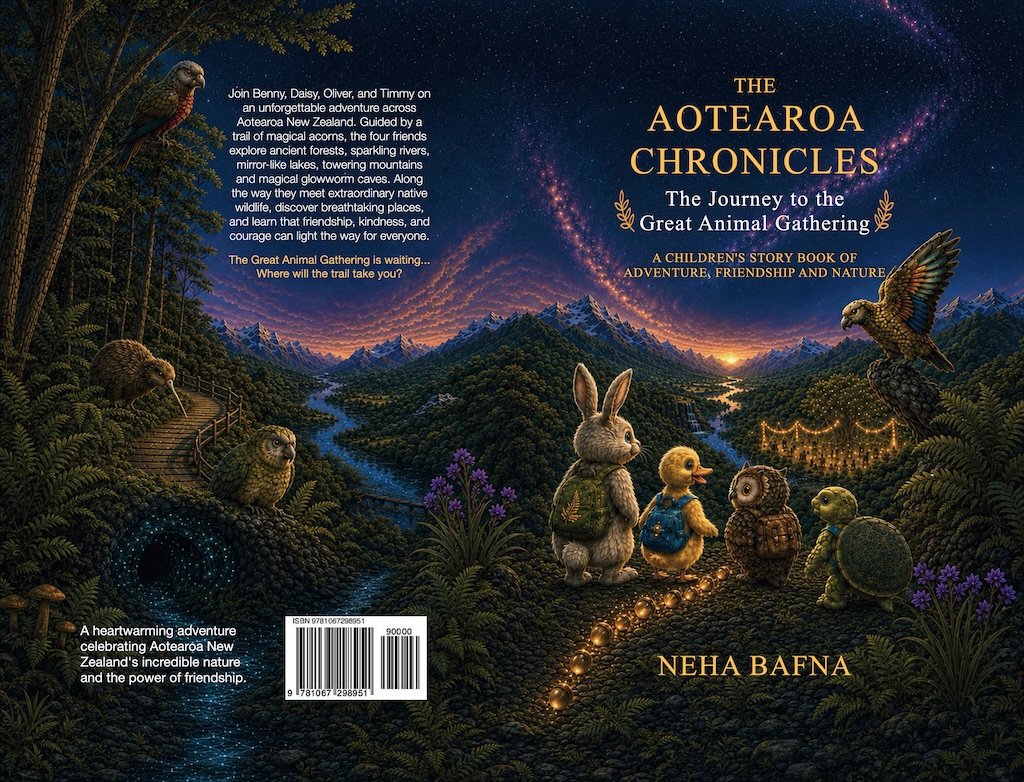
The Aotearoa Chronicles follows four animal companions travelling towards a gathering. The adventure’s emphasis on friendship creates a useful reference point for grown-ups comparing several possible gifts. A young reader who likes stories about animals speaking and discovering places together may respond differently from one who prefers factual books about machinery or space.
Pay attention to the stories the child picks up without encouragement. Do they linger over pictures, show curiosity about the characters or enjoy predicting the next event? Such reading behaviours can reveal what kind of story may suit them without basing the entire choice on an age recommendation alone.
The association with New Zealand can then bring additional meaning. It may relate to family origins, a previous holiday or a child’s curiosity about a faraway destination. The most suitable choice brings together this personal significance and the child’s existing interests.
Travelling towards a shared destination builds anticipation
An adventure involving travel creates a recognisable storyline: characters set out, move through an unfamiliar world and work towards somewhere they want to reach. Such a straightforward structure can create opportunities for shared participation while allowing the story to flow without constant interruptions.
In The Aotearoa Chronicles, the companions’ journey towards the Great Animal Gathering gives readers a destination to keep in mind. An adult might pause at a natural break and ask what the child expects the gathering to be like. The answer need not be correct to make the exchange worthwhile.
Predictions also give children room to change their minds. A reader may begin with one idea, notice a detail and develop another possibility. This approach can encourage children to engage actively with the narrative without taking away from the pleasure of following the adventure.
However, participation should remain an invitation. Some children prefer to listen quietly during a first reading and talk about its events once the reading is finished. Others want to comment throughout. Allowing the child to set the pace helps the experience remain enjoyable rather than feeling like an assignment.
Create a relaxed atmosphere for the first reading
There is no requirement to finish every page during the first reading. A young reader may take time examining the front cover, want to know more about the title or become interested in a single illustration. These reactions are a natural part of becoming familiar with the book.
Find an opportunity when there is sufficient time to follow the child’s interest. Reading immediately before leaving the house can make it harder to accommodate the child’s natural rhythm. A peaceful afternoon or a calm evening can create a more suitable atmosphere for shared reading.
First, give the child room to identify what appeals to them. Instead of explaining everything in advance, leave room for discovery. Read the opening and watch for signs of engagement, whether that means questions, laughter, close attention or a request to look again.
If interest fades, stopping at a sensible point is reasonable. A book can become familiar over several short sessions. Finishing it quickly is less important than creating an experience the child wants to repeat.
Let a fictional adventure lead to real observations
A fictional story connected with New Zealand can make children curious about its surroundings, yet fictional adventures should be distinguished from explanations based on facts. Animal characters that speak are part of a fictional setting. Their presence does not establish which species are native to a particular landscape.
Understanding the separation between fact and fiction can help grown-ups continue the reading experience. Once the story has been enjoyed, family members could investigate a different question about birds, forests or waterways with the help of reliable factual material. The story supplies the spark; further learning supplies the detail.
Not every moment of the story has to become an educational exercise. Sometimes young readers are content to enjoy following the characters. On another occasion, a simple question may lead to a wider discussion concerning the relationship between the story’s setting and the world outside the book.
Aotearoa also has cultural meaning beyond its role as a story setting. Adults can approach that meaning with care, selecting trustworthy information when young readers want to understand more. A fictional journey can provide the starting point for curiosity without carrying the responsibility of describing a whole country in detail.
Connect the book with the family’s personal experiences
A keepsake becomes more personal when there is a reason behind its selection. The motivation may be something uncomplicated: the giver recalled the young reader’s interest in animal stories, wished to celebrate a journey the family had shared or wished to introduce somewhere that holds significance for the family.
A small handwritten dedication inside the cover may keep the connection alive. The message might recall a walk shared by the family, the special event the gift commemorates or the hope that the reader will enjoy many adventures through stories. Specific memories usually mean more than a general statement about choosing a special present.
If the book is presented to a child after visiting New Zealand, the story may encourage memories of moments from the journey. They might remember a woodland path or a moment spent watching birds. These personal links develop through the family’s own experiences, without having to correspond precisely with anything that happens in the story.
Children who have never been to New Zealand can still build a personal connection. For them, the storybook might reflect the care someone took in considering their preferences and choosing a story to share.
Consider future readings when selecting a present
People often think mainly about the moment a gift is received. With books, it helps to imagine the second or fifth reading as well. Which family member or caregiver might share the story? Where might the storybook have a permanent place? Could the story become part of an established reading habit?
Parents and relatives comparing the best New Zealand gifts for kids may find that these practical questions clarify their choices. A storybook offers more opportunities for use if the child likes stories or an adult is happy to read together frequently. The experience becomes more meaningful through continued involvement.
Each reading session may unfold in its own way. The first may follow the adventure closely. A later session might focus on a favourite companion or an illustration the child previously overlooked. Another may involve the child retelling a familiar part in their own words.
Repetition does not require adults to invent Best New Zealand souvenirs for kids – The Aotearoa Chronicles a new activity every time. The comfort of knowing a story can be satisfying in itself. Often, sharing another attentive reading of the familiar book is all that is needed.
Encourage conversations about friendship with open-ended questions
An adventure involving several companions can prompt conversations concerning travelling as a group, considering others and pursuing something together. Such themes can be particularly meaningful when children recognise the connection for themselves.
Rather than asking for a single moral, ask something connected with the details that interested the child. Which companion would they like beside them on a journey? What could make a shared adventure with friends exciting? How might the journey become challenging when characters disagree about what they want?
Such questions allow children to bring their own experiences into the discussion. A child might remember making choices together with a brother or sister. Another child may think back to helping a friend become involved in something. The conversation can follow those connections without suggesting that the fictional adventure contains exactly the same events.
Try not to provide all the answers before giving the young reader an opportunity to think. A moment of quiet thinking might produce a surprising comment. When the reader would rather follow the story, their response also helps guide the experience. Reading can remain rewarding even when not every theme becomes a conversation.
Think about lasting enjoyment when choosing a souvenir
When looking at options among the best New Zealand souvenirs for kids, think about how children might interact with each keepsake once the journey is over. Certain mementoes are intended primarily as decorative objects. Different keepsakes can encourage play, everyday use or activities enjoyed together. A book invites reading and conversation.
This makes The Aotearoa Chronicles an option to think about when choosing for a child who likes animal characters and illustrated journeys. The story’s association with Aotearoa may create a lasting connection to the destination, while the journey offers a reason to open it beyond the original occasion.
The book’s practical features should still be taken into account. When choosing a storybook, examine its format and any sample pages that are available. Consider whether the amount of text, presentation and overall style fit the intended reader. These details should be checked rather than assumed.
A thoughtful keepsake does not have to capture every aspect of the place it represents. Sometimes one clear connection is enough: a natural setting that inspired the child’s curiosity, a moment remembered from a family journey or an interest they want to explore further.
Understand “best” in terms of the individual reader
Searches for the best children’s books in New Zealand can bring together very different expectations. One adult may want an independent reading challenge. Someone else might want a picture-rich adventure suitable for reading together. Others might value a story associated with an important family event.
Each of these requirements is different and should be considered individually. When assessing The Aotearoa Chronicles, its travelling animal companions, common destination and geographical inspiration provide useful considerations. Such elements give readers a more practical way to assess suitability than treating a search phrase as evidence of a recognised ranking.
Reading accessible descriptions and sample pages may reveal whether the story suits the intended reader. When a specific age guideline, edition or book format is important, confirm those details before selecting the book.
It also helps to distinguish adult preferences from the child’s. A giver may love the destination connection, even though the young reader might focus more on the travelling companions. The right book can bring these interests together without requiring adults and children to appreciate identical features.
Extend the reading experience through uncomplicated activities
A storybook may continue to have a place in everyday family routines without complicated activities. After reading, a child might draw a gathering of their own, invent a new animal friend or explain what they would pack for a journey of their own imagination.
Such activities tend to be most enjoyable when they build on something the child already likes. When a child takes pleasure in drawing, keep some paper within reach. If they prefer telling stories, listen while they invent a new scene. Adults do not have to adjust each small detail or match the book’s events exactly.
An ordinary outing may also prompt a fresh connection. A path through trees or a quiet pond may bring back the enjoyment of discovering places in a fictional world. There is no need for the connection to become overly serious.
There is no expectation that grown-ups must develop an activity after each reading. Occasionally, finishing the story and spending a calm moment together can be all that is needed. The intention is to give young readers the freedom to find their own meaning in the story.
Conclusion
The Aotearoa Chronicles offers a starting point for families seeking an animal adventure with a New Zealand connection. Its suitability as a present or keepsake depends on the reader’s interests and the reading experiences that develop over time. Keep the child’s interests at the centre of the decision, allow enough time for a comfortable initial reading and allow familiar pages to earn their place over time. A carefully chosen story can hold both an imagined journey and the memory of sharing it.
Comments on “Readers Views Point on Best New Zealand gifts for kids – The Aotearoa Chronicles and Why it is Trending on Social Media”